Coptic Seasons
The feasts, fasts, and seasons of the liturgical year
The Coptic Church walks through the life of Christ every year. Each season has its own tune, readings, and rites. The year begins with the Coptic New Year (Nayrouz) and moves through the seven major and seven minor feasts of the Lord.
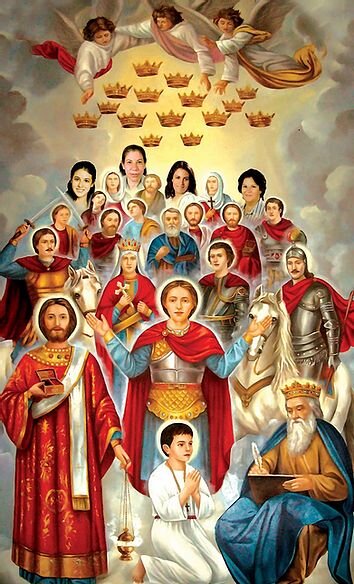
The Coptic year is the extension of the ancient Egyptian civil year, retaining its subdivision into the three seasons, of four months each. The three seasons are commemorated by a special environmental litany in the Coptic Liturgy, which changes with each season.
The earliest mention of the glorious event of the finding of the Holy Cross in patristic writings is in the Catechetical Lectures of Saint Cyril of Jerusalem (c. 315-386).
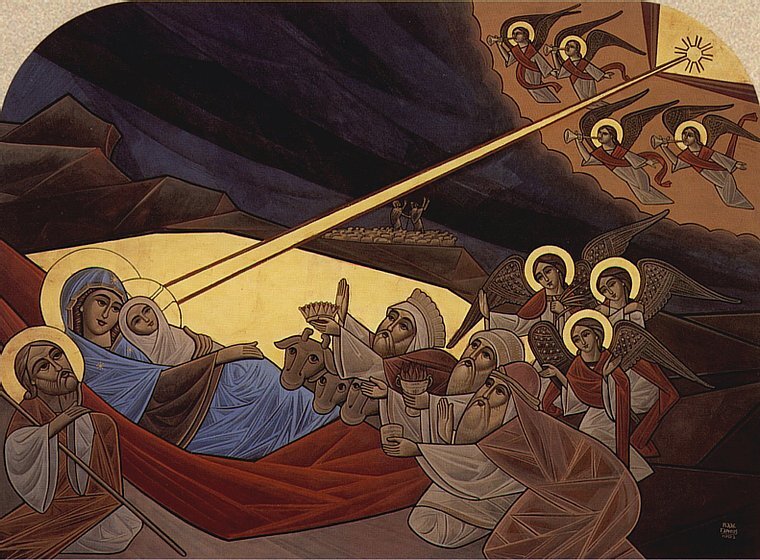
The fast of the Nativity invariably begins on 16 Hathor of the Coptic calendar and ends on the eve of 29 Koiahk, thus covering forty-three days.
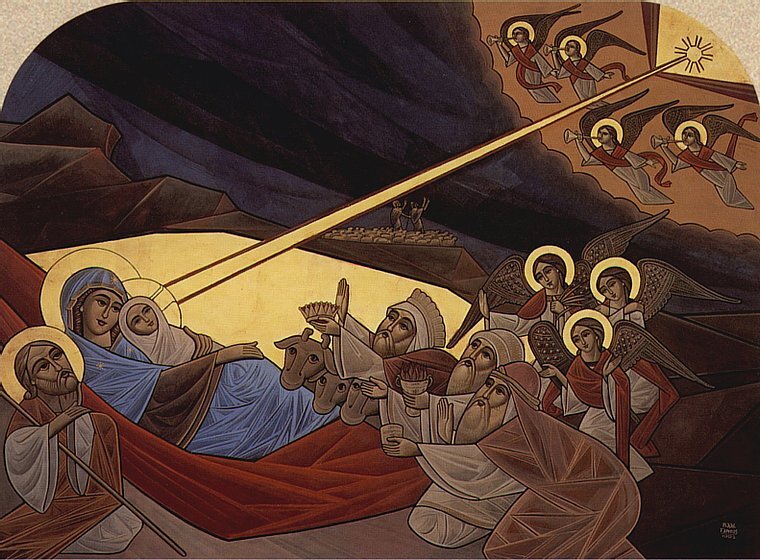
The feast of the Nativity of Christ is kept by the Coptic Church on 29 Koiahk.
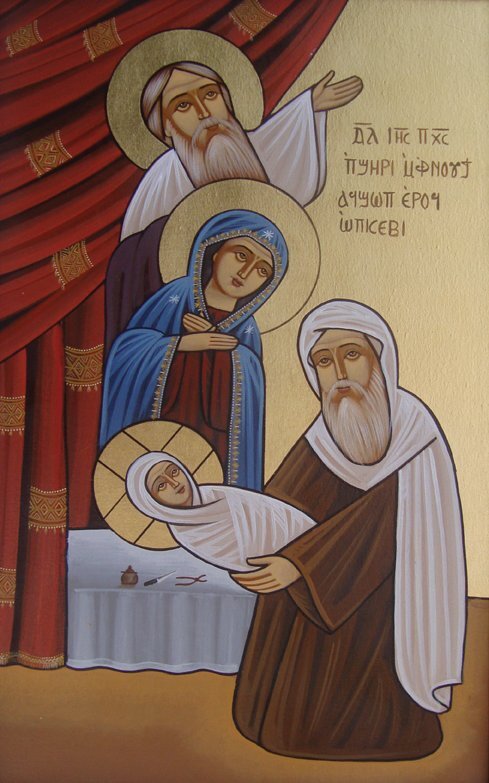
The Circumcision Feast occurs on the 6th of Tobe. On this day the Copts commemorate the circumcision of Christ according to the Jewish custom.
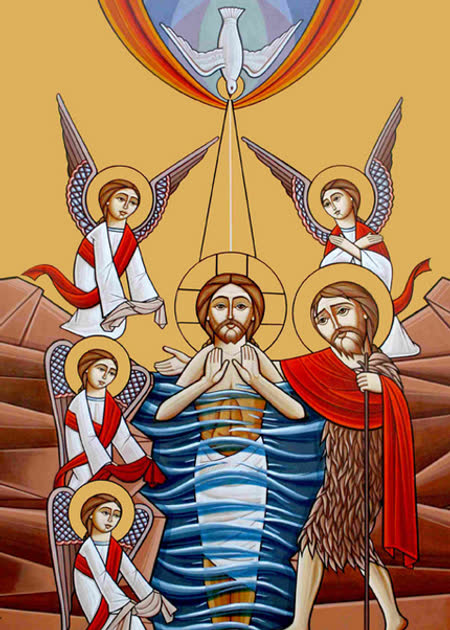
Under early Muslim rule, this feast was celebrated with great pomp, and the Muslim historian al-Mas‘udi gives a lively description of the occasion under Ikhshid Muhammad ibn Tughj in the year 941.
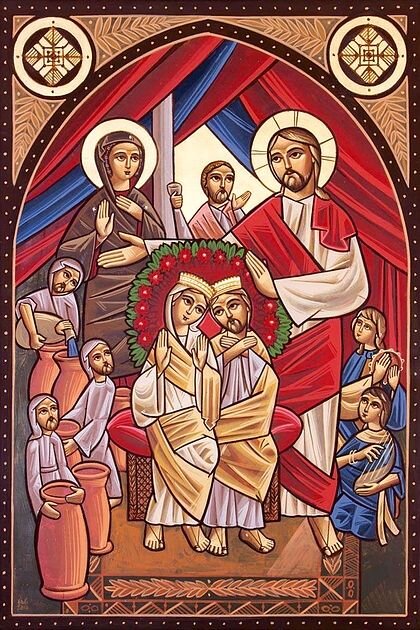
This feast is one of the Seven Minor Feasts of the Lord in the Coptic Orthodox Church. It is celebrated on the 13th of Tobe.
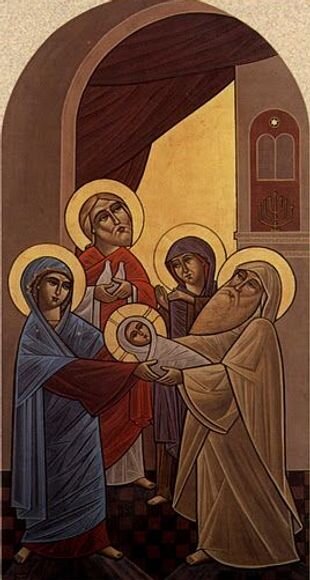
Meshir 8, also known as Candlemas, commemorates Christ's entry with the Virgin Mary, forty days after His birth, into the temple at Jerusalem, one of the seven minor feasts of the Lord.
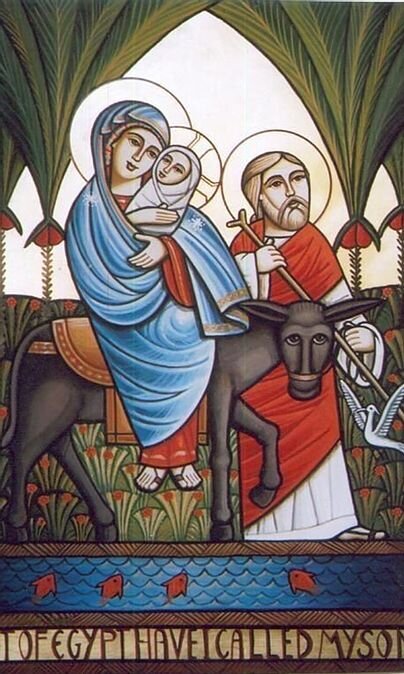
In fulfillment of the Old Testament prophecy, "An oracle concerning Egypt: Behold, the Lord is riding on a swift cloud and comes to Egypt; and the idols of Egypt will tremble at his presence, and the heart of the Egyptians will melt within them" (Is. 19:1), the Infant Jesus, the Blessed Virgin Mary, and Saint Joseph the Carpenter, accompanied by Salome, mother of Zebedee's children, made the journey to Egypt in compliance with a divine message communicated to Joseph in a dream, directing them to leave Bethlehem and seek refuge in Egypt to escape the wrath of Herod the Great (Mt. 2:13).
As true masters of fasting, they, the desert fathers, more than any Christians, can teach us about discipline in fasting! A leader of a community asked Abba Poemen: How can I gain the fear of God?
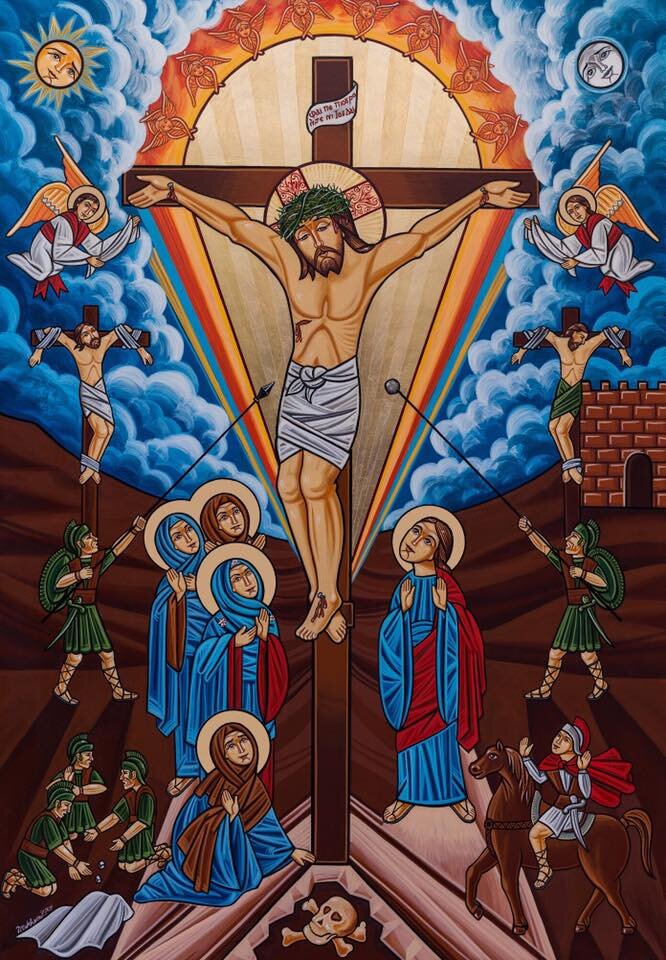
Fasting is a biblical practice followed by the prophets, Christ Himself and His disciples, and continued by the church fathers, the desert fathers, and the whole church as one body.
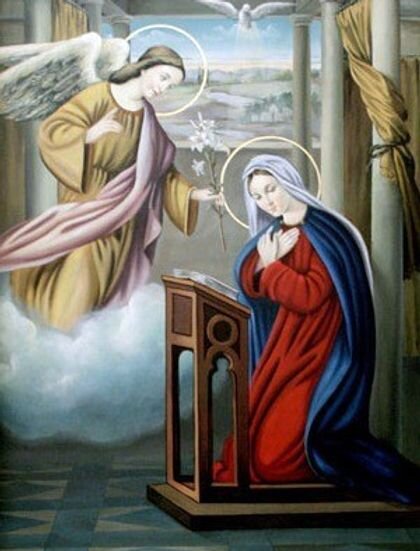
The Annunciation is one of the seven major feasts in the Coptic church. It commemorates the announcement of the angel Gabriel to the Virgin Mary that she should conceive and give birth to Jesus Christ, the promised Messiah.
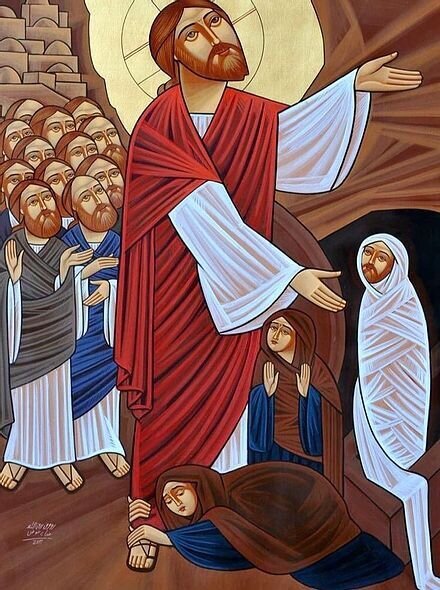
Lazarus was the brother of Martha and Mary. The family lived in the village of Bethany, about two miles east of Jerusalem on the southeastern slope of the Mount of Olives.
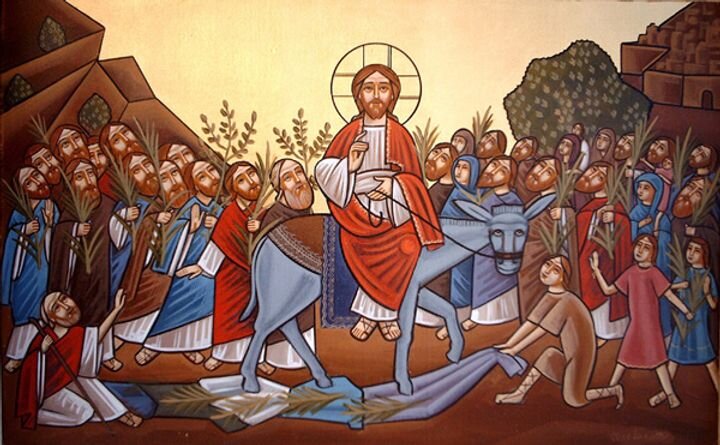
One of the seven major feasts, and one of the most popular feasts among the Copts, Palm Sunday occurs on the seventh Sunday of Lent and has been celebrated by the Coptic church from early Christian times, to commemorate the entry of our Lord Christ into Jerusalem.
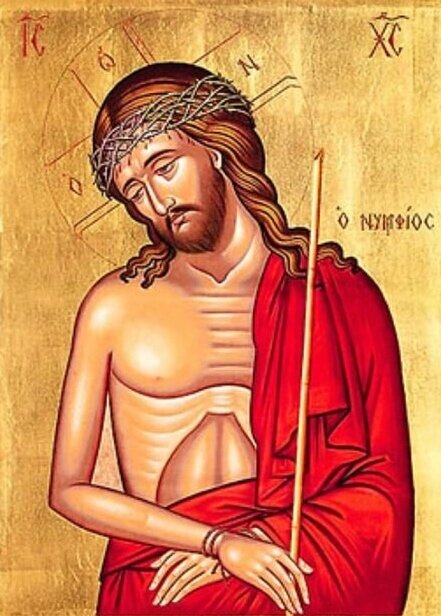
The week immediately preceding the feast of the Resurrection, a period rich in reminiscences of the ultimate stage of salvation.
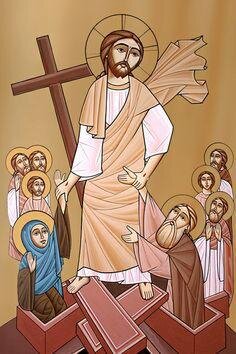
In the Orthodox Tradition, the Holy “50” days are the days from the Feast of Resurrection to the Feast of Pentecost, including the Feast of Ascension in between. These are three out of the seven Major Feasts (they are called Major because in them Christ does something that pertains to our Salvation).
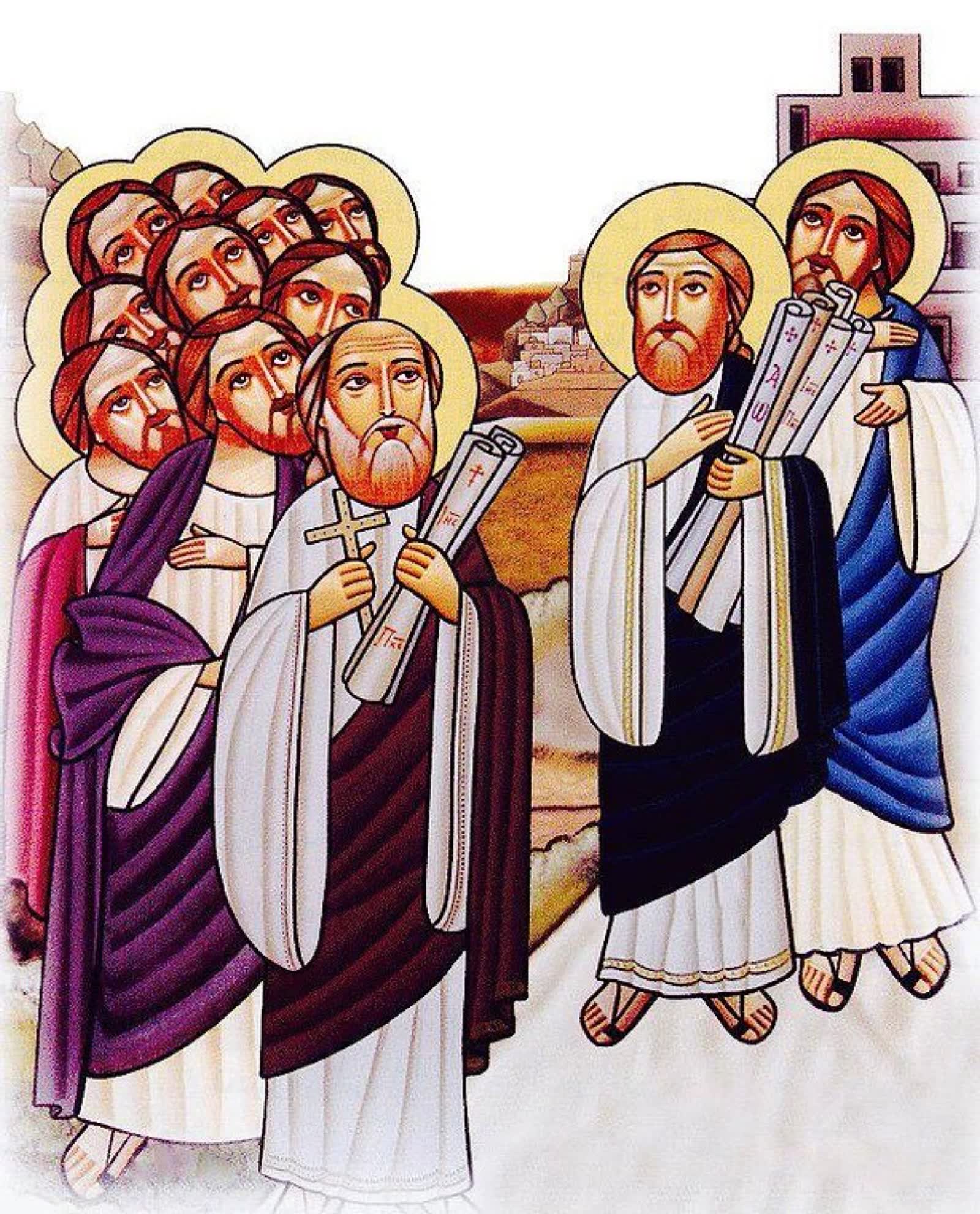
This fast commemorates the fast observed by the disciples after the Ascension of Christ (Acts 10:10; 12:2, 3; 14:21-24; 27:9, 21). It starts on the Monday that follows Pentecost and ends on 5 Abib (July 12), when the Coptic church celebrates the feast of the apostles Peter and Paul.
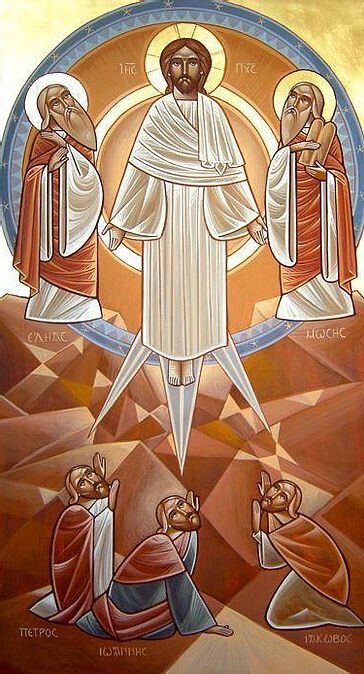
The Copts observe 7 Major Feasts and 7 Minor Feasts. This Minor Feast is celebrated by the Copts on August 19 (Mesore 13).
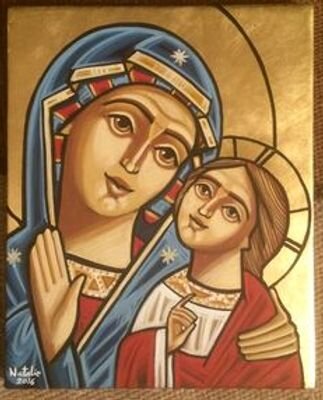
The high reverence for the Virgin Mary, the Theotokos, by the Copts is best expressed in the Coptic synaxarion where she is described as "the sovereign of the universe, the queen of all womanhood, through whom we have grace." Thus the Copts celebrate seven feasts for her.
Three liturgies have been established in the Coptic Orthodox Church: (1) the Liturgy of Saint Basil is typically celebrated throughout the year except for the four major feasts of Nativity, Epiphany, Resurrection, and Pentecost; (2) the Liturgy of Saint Gregory is commonly used in the celebration of the four major feasts mentioned above; its melodies are somewhat more ornate than that of the Liturgy of St.